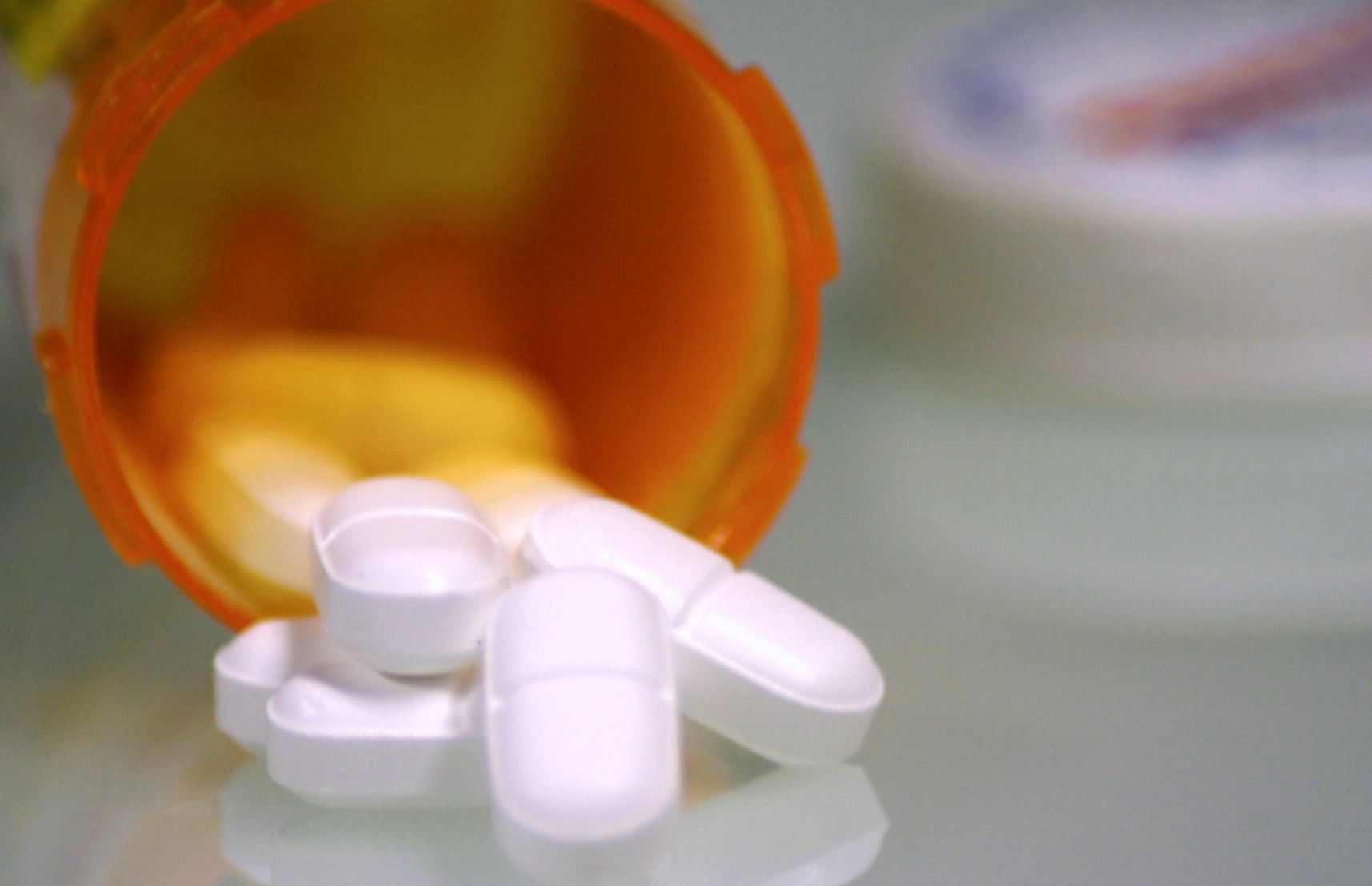
Ever heard of calcium overdose ? no ? this is a right place to be !

Calcium Overdose: When More Is Not Better
Calcium is an essential mineral that helps maintain strong bones and teeth, supports muscle contraction, nerve function, and proper heart rhythm. While adequate calcium intake is important, taking excessive amounts of calcium supplements can be harmful.
What is calcium overdose?
Calcium overdose, also known as hypercalcemia when blood calcium levels become elevated, may occur due to excessive calcium supplementation, particularly when combined with high doses of vitamin D. It can also result from certain medical conditions such as overactive parathyroid glands, some cancers, or kidney disease.
Common symptoms
Early symptoms may include:
– Nausea and vomiting
– Constipation
– Excessive thirst
– Frequent urination
– Loss of appetite
– Fatigue and muscle weakness
More severe cases can cause:
– Confusion or drowsiness
– Irregular heartbeat
– Kidney stones
– Kidney damage
– In rare cases, coma
Who is at risk?
People at higher risk include:
– Those taking high-dose calcium supplements without medical advice
– Individuals taking large doses of vitamin D
– Patients with chronic kidney disease
– Older adults using multiple calcium-containing medications or antacids
Prevention
– Meet your calcium needs primarily through a balanced diet whenever possible.
– Take calcium supplements only in the dose recommended by your healthcare provider.
– Avoid combining multiple calcium-containing products unless advised.
– Stay well hydrated, especially if taking calcium supplements.
– If long-term calcium supplementation is required, periodic monitoring of blood calcium and kidney function may be recommended.
When to seek medical attention
Seek prompt medical evaluation if you develop persistent vomiting, severe constipation, excessive thirst, confusion, or symptoms suggestive of kidney stones while taking calcium supplements. Early recognition and treatment can prevent serious complications.
Key message: Calcium is essential for health, but more is not always better. Appropriate dosing and regular medical guidance help ensure its benefits while minimizing the risk of overdose.